
Pipe Fitting Tooling
Custom Pipe Fitting Mold Manufacturer in China
Custom molds for PVC, PPR and PP elbows, tees and unions. Send a fitting photo, sketch or CAD file to start a tooling quote; we confirm the mold requirements before final pricing.
PVC, PPR and PP fitting molds. Send a photo, sketch or CAD file to discuss your tooling quote.
Start with: Fitting type or standard / PVC or PPR resin / Cavity target or annual volume
No CAD needed to start.
China mold manufacturerDFM + custom toolingTrial + export support

Photo References
Pipe fitting mold and sample photo references
These owner-supplied photos show an open four-cavity elbow mold, different fitting shapes, and a caliper positioned at a sample opening. They are visual references; the drawing, material, and acceptance criteria must be confirmed for your project.
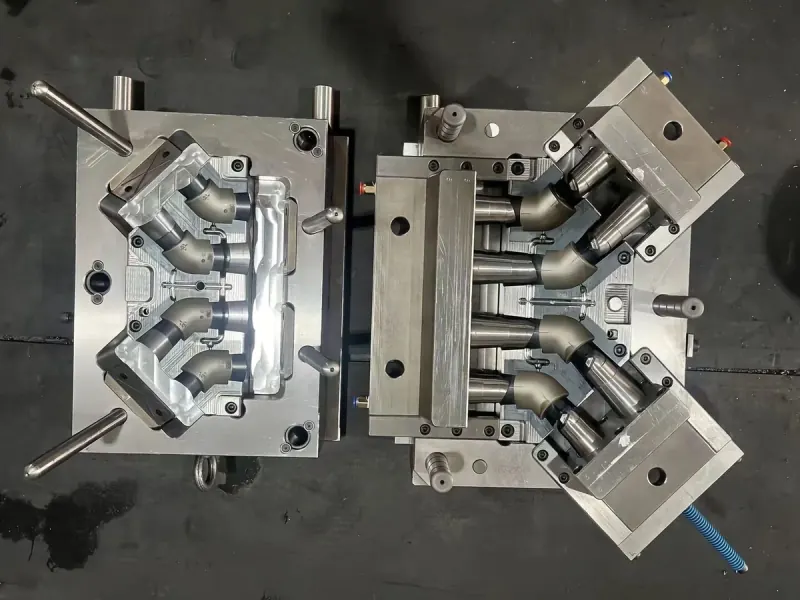
Four-cavity elbow mold
The open mold photo shows four elbow-shaped cavity positions and the matching core arrangement. The two mold halves are shown side by side, making the layout and access to the fitting bores visible.
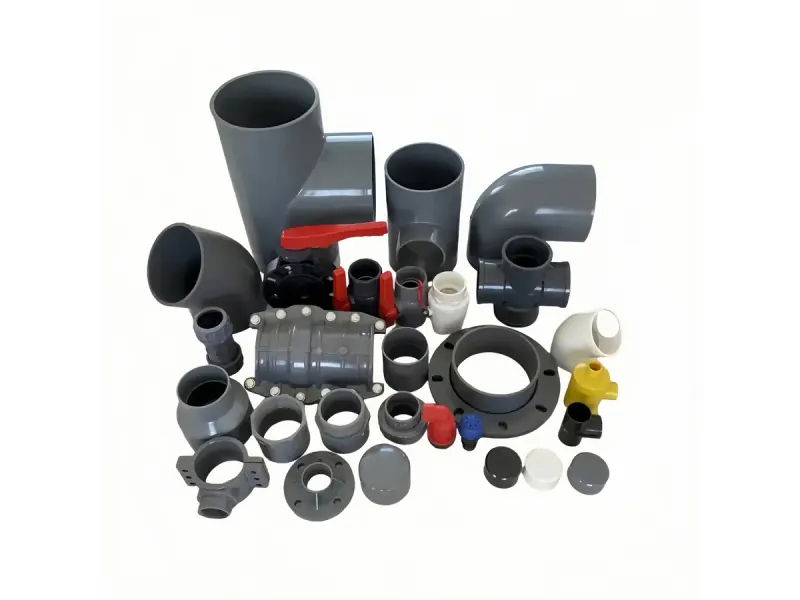
Fitting shapes and connections
The sample collection includes elbows, tees, couplings, flanges and valve forms in different sizes. Use the photos to identify the fitting shape you need, then send a sample photo or drawing so we can discuss your mold.
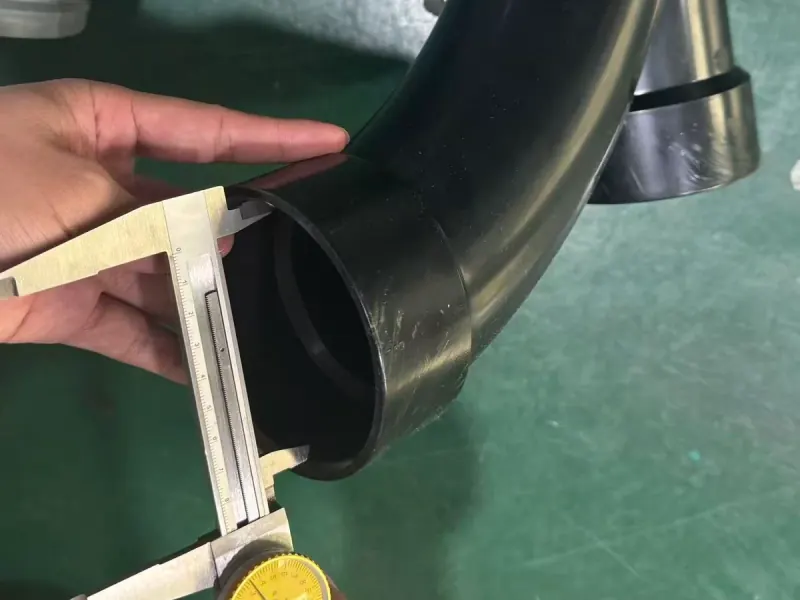
Checking a molded fitting
A separate photo shows a dial caliper positioned at the opening of a black curved fitting. For your project, the drawing should identify which dimensions need checking and the tolerances used to accept the samples.
Seen enough to start RFQ review?
Send the part file or a short project brief while the tooling evidence is still in view.
Technical Example
PVC Tee Mold Engineering Review
Review tee-junction geometry, flow, core support, cooling, ejection, sealing checks, and the buyer inputs needed before quotation. The linked page is a technical example, not a verified customer outcome.
Project Brief
Details that help engineering review your pipe fitting mold
Overview
How we evaluate pipe fitting tooling fit
Pipe fitting mold programs work when sealing surfaces, thread areas, cavity strategy, and dimensional repeatability hold up through real production runs. We support elbows, tees, unions, valve bodies, and drainage parts where leak risk needs to be reduced before steel cutting and first trial.
For a useful quotation, separate confirmed requirements from tooling options: identify the fitting and mating interfaces, then ask for the proposed core movements, cavity layout, steel by component, and trial acceptance scope. Unconfirmed resin, machine, or test requirements should stay visible as open items.
Procurement Check
What the quotation should make explicit
These items are project-specific. Confirm them in the written quotation instead of assuming a fixed MOQ, sample policy, lead time, or shipping boundary.
| Quote inputs | Start a price discussion with a fitting photo, sketch, or short description. For a firm quote, confirm the fitting standard or drawing, resin grade, sealing and thread details, cavities, annual volume, leak-test scope, and machine data. Mark unknowns as open. |
|---|---|
| Trial and samples | Set the trial stages, sample quantity, dimensional and leak-test scope, correction ownership, and acceptance criteria in the quotation. |
| Delivery boundary | Tool lead time is confirmed after DFM. Export packing, cooling and connector standards, spares, documents, and freight handoff should be listed line by line. |
| Incoterm | Confirm the Incoterm and named place. Import clearance, duties, destination handling, and local trial support are not assumed unless quoted. |
Capabilities
What we focus on for pipe fitting mold builds
Core access and release
For tees and elbows, review each bore and branch against the proposed core movement. Ask the tooling proposal to identify undercuts, core support, release clearance, cooling access, and any mechanism that needs maintenance access.
Sealing and sample acceptance
Mark the socket, thread, groove, or mating surface on the drawing. Agree the measurement method, mating part, sample quantity, and any leak-test conditions before trial; a sample photo alone cannot establish acceptance.
Cavity count and product mix
Compare a proposed cavity count with annual demand, the mix of fitting sizes, and the receiving press. Ask for the assumed cycle, usable production time, machine fit, and changeover plan before choosing a layout.
Steel and quotation scope
Request steel grades by component and the basis for wear or corrosion protection. Compare included trials, correction work, spares, inspection records, and export handoff on the same drawing revision and resin specification.
Related Programs and Buyer Guides
Continue with the tooling route or decision guide that matches your next step
Technical Examples
Pipe Fitting tooling questions buyers review before RFQ
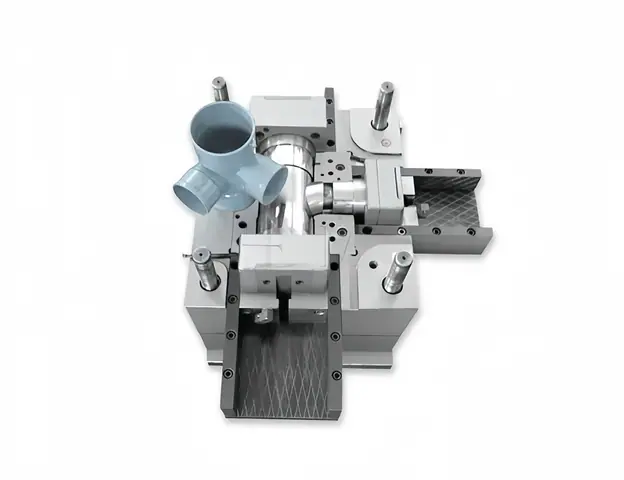
PVC Tee Pipe Fitting Mold Engineering Review
A bounded PVC tee mold technical example covering geometry, engineering checks, and the inputs needed before quotation.
- Review focus
- Review focus: identify the tee-junction, sealing, branch, release, and core details that should be checked before quotation.
- Buyer inputs
- RFQ output: a bounded tooling discussion can start after the buyer provides the part file and required production inputs.
Technical ExampleEngineering review before quotation
Pipe Fitting90 degree elbow Mold Technical Review
Technical example: review bore continuity, socket fit, and leak-test scope for a 90-degree elbow before quoting.
- Review focus
- Geometry to check: Does the bend keep a suitable wall transition and bore through the turn, and where are the socket seal and mating dimensions controlled?
- Buyer inputs
- Send the elbow drawing or fitting standard, resin grade, mating pipe dimensions, pressure or leak-test requirement, annual volume, and receiving machine limits.
Technical ExampleEngineering review before quotation
Pipe FittingUnion connector Mold Technical Review
Technical example: define union components, thread fit, and gasket seal checks before quoting the tooling scope.
- Review focus
- Geometry to check: How do the nut, body, and seal seat mate, and which thread and gasket dimensions control assembly?
- Buyer inputs
- Send drawings or samples for every mating component, thread specification, gasket material, resin grade, assembly torque or fit target, annual volume, and machine limits.
Buyer Questions
Questions we hear during pipe fitting RFQs
Use these questions to judge fit before you send your RFQ.
Which fittings can you quote from one file set or project brief?
We can start with elbows, tees, couplings, unions, valve bodies or drainage parts. Many buyers quote one fitting first, then add related sizes or matching parts once the first tool direction is confirmed.
Where do pipe fitting leaks usually start?
Leakage risk usually starts with geometry control, not only machining. We review sealing surfaces, thread definition, shrinkage behavior and ejection stress during DFM so the first sampling stage exposes issues early instead of after production launch.
Can one project include both PPR and drainage fittings?
Yes. We can separate the tooling plan by resin behavior and part geometry while keeping one timeline. That is useful when your team wants one supplier to cover both pressure-line fittings and larger drainage parts.
What should we send before you quote a PVC fitting mold?
Start with a fitting photo, sketch or short price question; CAD is not required for the first conversation. Include the fitting type, approximate size and resin if known. For a firm quote, confirm the drawing or standard, mating interfaces, annual demand, cavity target, receiving machine and any leak-test requirements. Leave unknown details open for review.
How do we judge whether a plumbing mold supplier is a fit?
Ask how the proposed core movements, sealing surfaces and thread release match your fitting. Use the linked PVC tee technical example to prepare questions; it is not a verified customer acceptance record. For your project, agree the drawing revision, sample measurements and any leak-test conditions before accepting the mold.
Why can't pipe fitting mold pricing be fixed upfront?
Fitting geometry, resin, cavities, steel and core movements affect the tooling scope. A threaded fitting may need a different release mechanism from a plain socket. Compare offers on the same drawing revision and ask what trials, corrections, sample checks, spares and export handoff are included. An early price discussion is welcome; the final price follows the confirmed scope.