Two injection mold quotes can be far apart even when suppliers price the same part drawing in good faith. The difference usually comes from different assumptions about production volume, tool life, steel, construction, validation, delivery, and support. A lower quote is not automatically wrong, and a higher quote is not automatically more complete.
The useful question is not simply, “Which quote is cheaper?” It is, “Which tool specification matches this program?” A sound mold is neither under-specified for production nor over-specified for a short-run project. The custom injection mold tooling process should provide the engineering context before a buyer compares commercial terms.
Start with a production target, not a generic quality label
Mold life should be discussed as a design target under stated operating conditions, rather than as an unconditional promise. Resin selection, glass-fiber content, corrosion exposure, cooling, process settings, maintenance, and handling can all affect wear and service life.
For a multi-cavity tool, buyers should also distinguish between mold cycles and total molded parts. One million cycles in an eight-cavity mold is not the same as one million finished parts.
As an early quotation basis, define the expected annual volume, total program volume, resin grade, cavity target, critical dimensions, cosmetic requirements, and maintenance expectations. These inputs help the toolmaker recommend an appropriate construction level.
Steel selection is a component-by-component decision
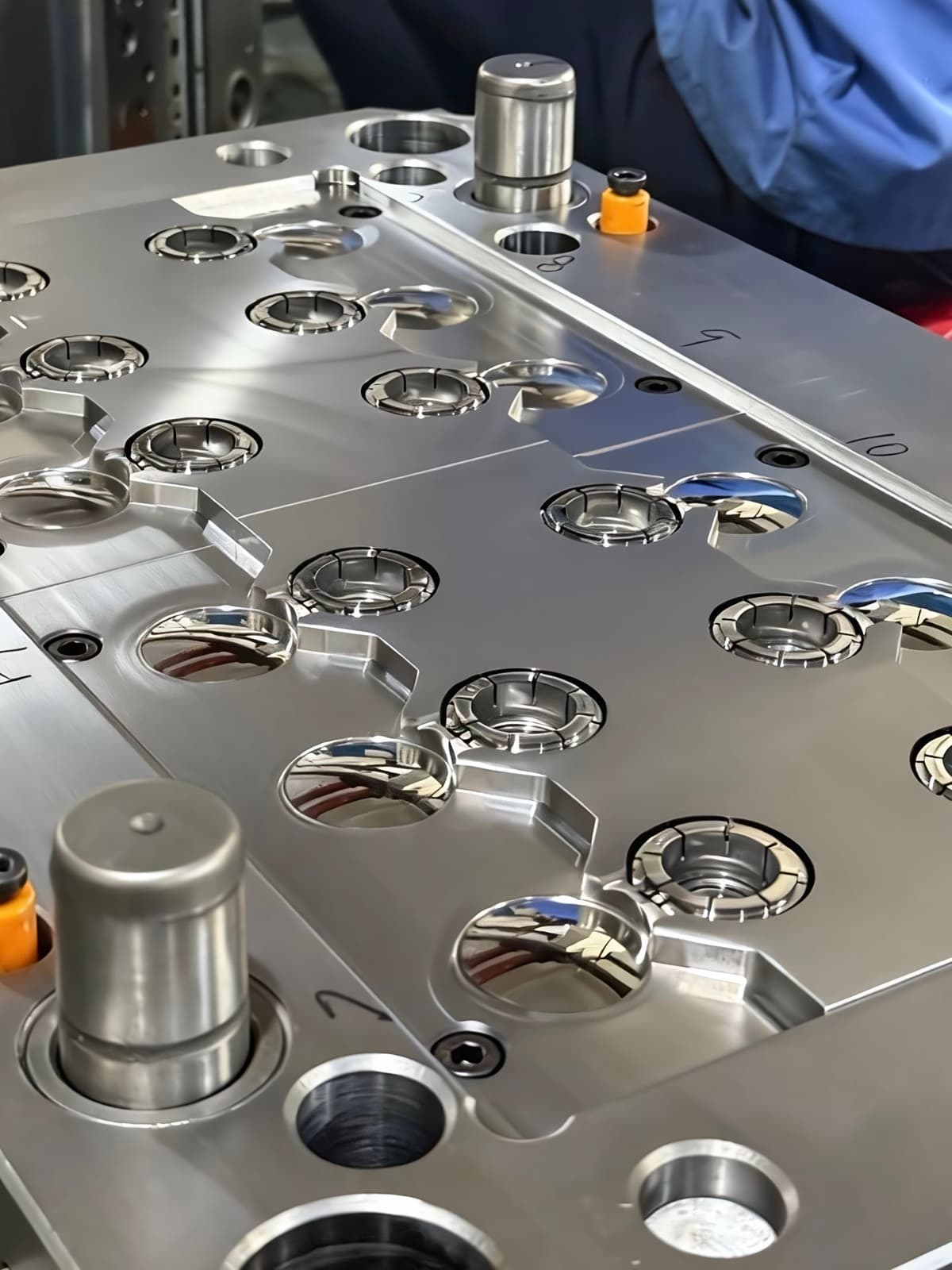
Do not accept one general steel name for an entire mold. Core, cavity, inserts, sliders, wear parts, and mold base may need different material and hardness decisions.
For example, 1.2344 is commonly associated with H13, while 1.2343 is commonly associated with H11. P20-family and other pre-hardened steels are also used in plastic-mold applications. The final selection should consider resin wear and corrosion risk, required finish, cooling needs, toughness, repairability, and the agreed life target—not a simple tier label.
High-conductivity materials can also be appropriate in selected hot spots or inserts when heat removal is the problem to solve. They are not a default substitute for a considered steel and cooling strategy.
What else changes the quotation?
Steel cost matters, but it is only one part of the total. Two tools can use similar steel families and still have very different prices because their construction and verification scope differ.
| Scope area | Questions to compare |
|---|---|
| Mold architecture | What cavity count, runner concept, gating, side actions, ejection, cooling, and replaceable inserts are included? |
| Steel and heat treatment | Which grade, supplied condition, hardness, heat treatment, and wear or corrosion strategy apply to each component? |
| Standard parts and hot runner | Which makers, models, controller boundary, spares, and service assumptions are included? |
| Machining and finish | Which machining, EDM, wire cutting, polishing, texture, coating, and dimensional-finish requirements are included? |
| Trials and acceptance | How many trials, sample sets, measurements, correction rounds, and acceptance activities are included? |
| Documentation and support | Which drawings, material records, maintenance notes, spare parts, packing, warranty, and change-control boundaries are included? |
Machine capability supports repeatable manufacturing, but a machine name alone does not prove mold quality. Design review, datum control, machining, heat treatment, assembly, fitting, trial results, inspection, and maintenance all matter.
Example: comparing two different trial scopes
Illustrative comparison, not actual customer prices: Quote A includes trial samples and a dimensional report. Quote B includes trial samples but leaves the report as an option. Enter the report as included for A and optional for B; ask B for its scope and separate price before comparing totals.
Also check that the sample quantity, drawing revision and measurement requirements match. If they differ, leave that comparison open until clarified. The worksheet helps explain a price difference; it does not prove that either supplier is better.
When a lower quote can make sense
A lower quote can be technically coherent if it openly uses a simpler scope that fits the program. For example, the buyer may accept a lower-volume construction, fewer included trials, a simpler runner, standard surface requirements, or a leaner spares package.
Those choices should be written down. A lower price becomes risky when important assumptions are missing, hidden, or incompatible with the intended resin, press, annual demand, critical tolerances, or approval process.
Compare quotes on one controlled input set
Before choosing a supplier, give every bidder the same controlled inputs and request written deviations, exclusions, and alternatives.
- Part revision, 3D model, and 2D drawing
- Resin grade, reinforcement, color, shrinkage basis, and any regrind rule
- Annual demand, total program volume, cavity request, and operating pattern
- Cold or hot runner expectation and any required brand or controller boundary
- Tool-life target and the maintenance assumptions behind it
- Press window, including clamp force, shot capacity, tie-bar spacing, and platen constraints
- Trial, sample, dimensional-review, acceptance, packing, and delivery requirements
This comparison does not force every supplier to use the same construction. It makes differences visible so the buyer can decide whether each alternative is appropriate.
Compare a pipe fitting quote line by line
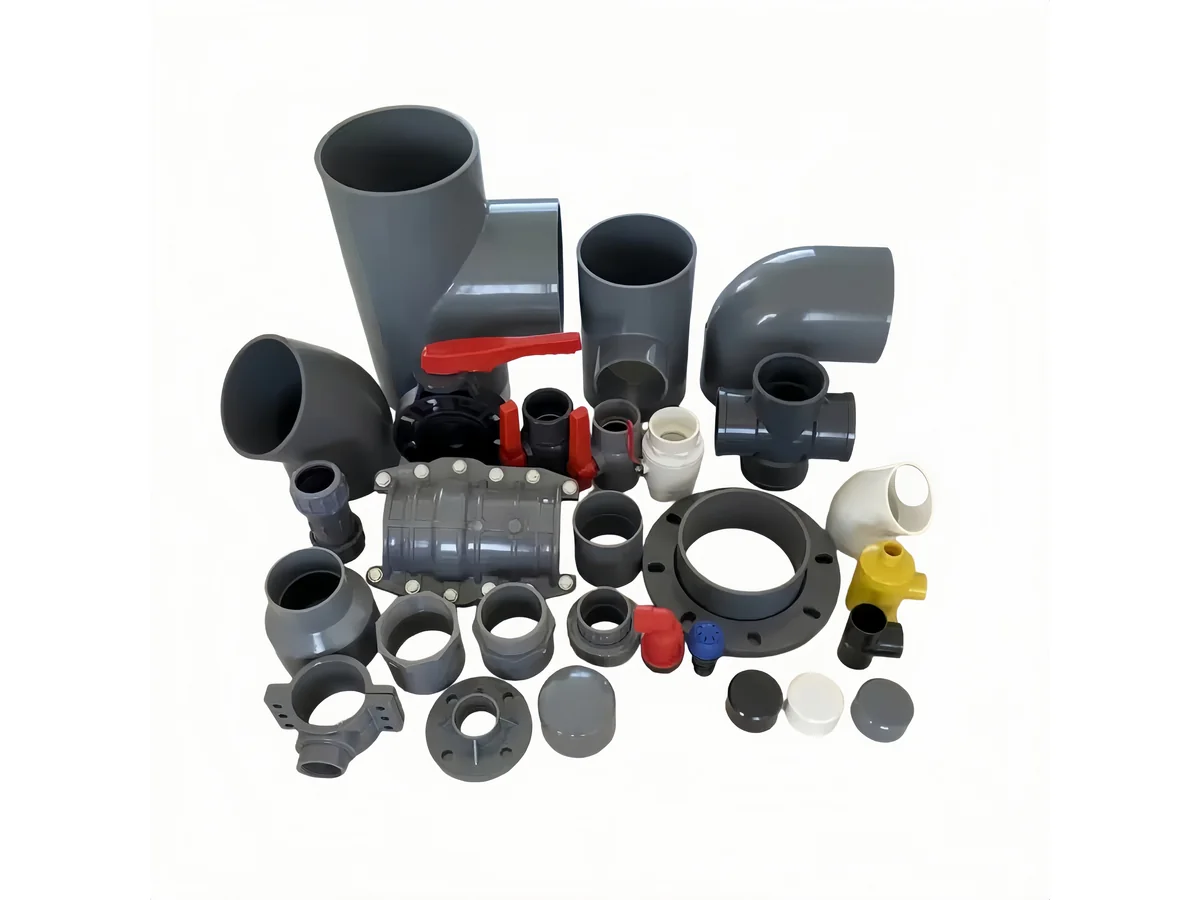
For a tee, elbow, or union RFQ, request a written comparison using the same part revision. The following is a comparison worksheet, not an example of completed customer quotations.
| Decision | Record for each supplier |
|---|---|
| Cavity layout | Proposed cavities, demand basis, assumed cycle, receiving press, and open machine-fit checks |
| Core and release concept | Proposed movements, threaded-feature treatment, maintenance access, and unresolved geometry |
| Steel scope | Material and condition by component, accepted alternatives, and supporting selection basis |
| Trial and acceptance | Included trials and sample quantity, resin responsibility, dimensional or leak-test method, and acceptance owner |
| Corrections and delivery | Included correction work, changes charged separately, spares, packing, and named delivery basis |
Mark each answer included, optional, excluded, or open. Ask for separate pricing where scope differs before comparing totals. For example, a quote that includes dimensional reports and one that leaves inspection to the receiving plant need that difference resolved before a price decision.
Start with the pipe fitting RFQ input checklist and use the PVC fitting steel guide when the material proposals differ. The pipe fitting mold service page brings the tooling scope and quotation route together.
When the quotation needs engineering review
Move beyond a commercial comparison when cavity count, runner design, press compatibility, resin behavior, side actions, tolerances, cooling, validation, or life assumptions conflict with the released part requirements. These questions need a part-specific discussion among the buyer, molder, toolmaker, material supplier, and relevant engineers.
Quality should fit the project
A short-run program should not pay for unneeded production life. A long-running or demanding program should not rely on a low initial price while overlooking downtime, repair, quality variation, and maintenance risk.
The right goal is not the highest possible specification. It is a mold specification that is complete for the program: no unnecessary over-engineering, and no missing requirement that shifts risk into production.
Sources and further reading
- BÖHLER W302 ISODISC — public material-equivalence and application information for 1.2344/H13.
- Uddeholm tool steels for plastic moulding — public overview of mold-steel selection considerations.
- Materion MoldMAX alloys — public information on high-conductivity mold-alloy applications.
- ISO 20457:2018 — plastics molded-part tolerances and acceptance conditions; it does not replace part-specific engineering agreement.
For a part-specific quotation review, send the drawing or project brief, resin, annual volume, cavity target, and timing notes through the manual injection mold RFQ form.
Next step
Turn this article into an RFQ review.
Send files or a project brief, material, annual volume, or target timing notes. Jessica and the engineering team will review manufacturability risk and reply with initial engineering feedback or quotation planning. First human reply targeted within 24 hours.