
Water supply and drainage fittings
PVC Tee Pipe Fitting Mold Engineering Review
A bounded PVC tee mold technical example covering geometry, engineering checks, and the inputs needed before quotation.
Evidence Boundary
Use these visuals for engineering discussion, not as project-result proof
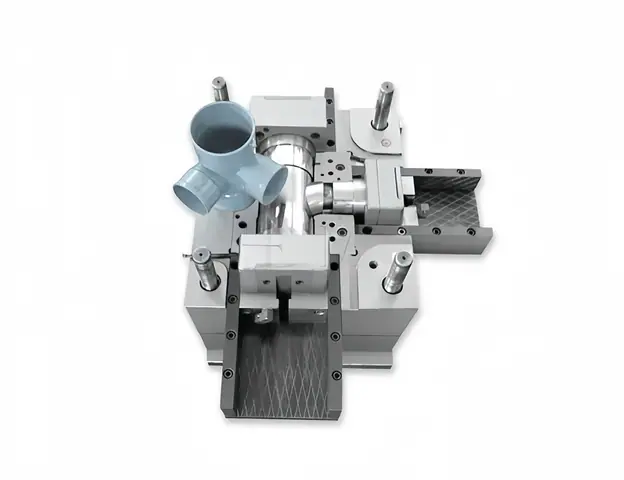
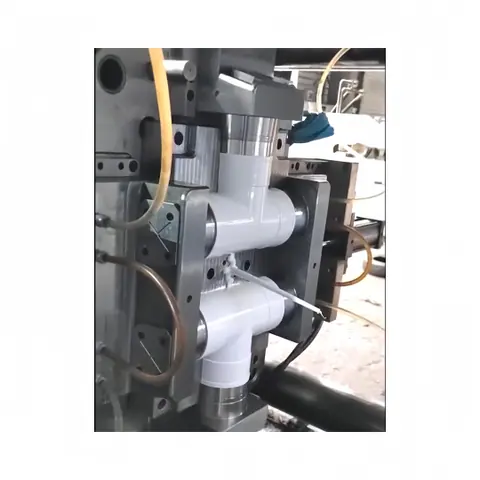
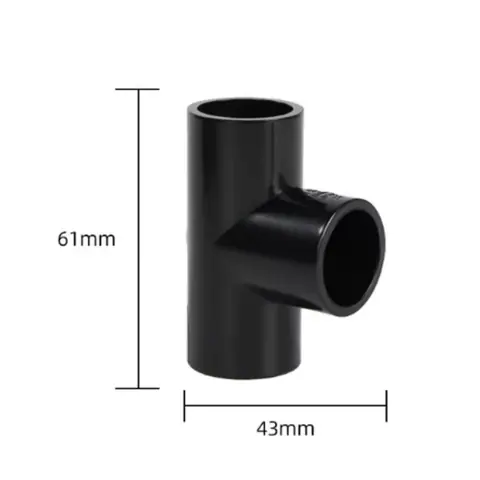
The mold and trial images support only what is visibly present. The fitting image is reference-only. No customer, steel grade, cavity count, cycle time, tool life, timeline, acceptance result, or production performance is verified by this page.
Engineering Snapshot
What to resolve before requesting a quotation
Water supply and drainage fittings
Parting line, cores or slides, gating, cooling, venting, ejection, fit, and maintenance.
Include critical dimensions, machine limits, and the required trial acceptance plan.
Define Before Trial
Measurement and Validation Inputs
- Mark the buyer-defined dimensional, sealing, thread, and assembly checkpoints
- Agree how trial parts will be measured before any acceptance result is stated
Technical Notes and RFQ Context
This technical example shows the questions that should be resolved before a PVC tee fitting mold is quoted. It does not present a verified customer program, production metric, acceptance result, or testimonial.
Geometry to review
Map the three connection interfaces
Label the run and branch interfaces on the drawing. Identify which are sockets, threads, or other mating features, and attach the relevant fitting standard or mating-part drawing. Mark the critical measurement locations so the tooling and inspection discussions refer to the same surfaces.
Review the junction in section
Provide section views through the tee junction and each bore. Ask the tooling proposal to show core meeting areas, withdrawal directions, release clearance, and access for core support and cooling. Keep any unresolved geometry visible before approving the mold concept.
Engineering checks before quotation
- Compare the proposed resin with flow length, shrinkage, venting, and sealing requirements.
- Review core strength, support, cooling access, ejection positions, and maintenance access before choosing a mold concept.
- Define the dimensional and leak-test checkpoints that will be used during trial; do not infer acceptance from a photo.
Ask for an annotated concept showing the proposed gate, parting line, core movements, and ejection contact areas. Record each open issue with the input needed to close it and the person responsible for approval. These are quotation-stage review requests, not a claim that the pictured tool uses a particular construction or has passed a test.
Inputs to send with an RFQ
- Part file or fitting standard.
- PVC grade and any color or additive requirement.
- Cavity target or annual volume.
- Critical sealing, dimensional, assembly, and leak-test expectations.
Use the pipe fitting RFQ checklist to assemble the package. Review PVC fitting steel selection for the component-level material discussion, or return to the pipe fitting mold service page to check project scope.
When ready, request a mold quote with the files or a short fitting description and label any unknown inputs.
Next step
Request a Mold Quote
Share the part context and we will route it into the RFQ review queue with the right material, timing and tooling questions attached.
Manufacturing capabilityEngineering supportCustom toolingQuality controlLead time planningExport experience
Need supplier-fit questions first? Use the contact route or email engineering.
Need the broader pipe fitting program context first? Explore the industry page.