You can start a packaging mold inquiry with a product photo, sketch or short description. Tell us whether you need a food container, cup, lid or item of cutlery, its approximate size and the material if known. CAD files and a final cavity count are not required for the first conversation.
Send your packaging mold question, or review our packaging mold services. The checklist below separates information needed to begin from decisions needed for a firm quotation.
Start with the product and its matching parts
| Product | Useful first information | Checks to agree before trial |
|---|---|---|
| Food container or tray | Photo or drawing, approximate dimensions, intended use and stacking arrangement | Agreed dimensions, appearance and stacking checks; matching lid where used |
| Cup or tub | Shape, rim detail, material if known and intended filling conditions | Rim and base dimensions, stacking and the agreed lid fit |
| Lid | Matching container or its drawing, closure style and intended use | Fit with the nominated container, opening and closing requirements, and any agreed sealing test |
| Spoon or other cutlery | Sample or drawing, overall size, material if known and intended use | Agreed shape, appearance, dimensions and functional checks |
Describe food-contact or other compliance requirements separately. Name the intended market and the party responsible for material approval and testing. A mold quotation or sample photo does not establish regulatory compliance.
For a lid and container made by different suppliers, identify the controlling drawing revision and provide the mating part. Avoid asking each supplier to judge fit against a different sample.
Confirm the receiving machine before choosing cavities
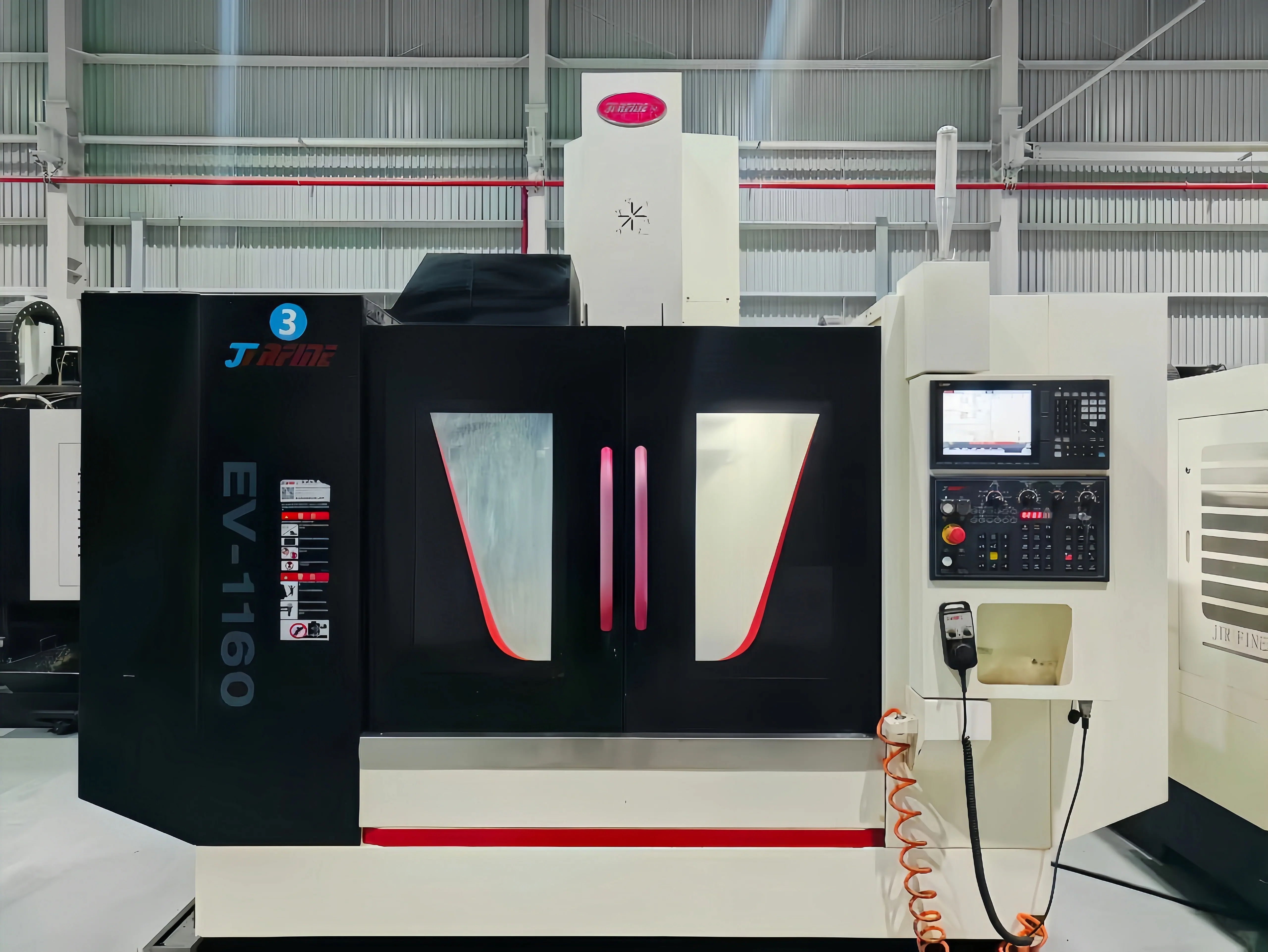
Provide the machine model or data sheet if available. Ask the toolmaker to review the proposed mold against the receiving press, including mold dimensions and mounting, available opening and ejection travel, injection capacity and required interfaces. List hot-runner controls, cooling connections and handling or automation requirements where relevant.
If the machine is not selected, mark it as open. Ask the quotation to identify the assumed machine and checks still needed. Discuss the proposed cavity count alongside demand, product mix and that machine basis.
A quoted cycle target should state its trial conditions and remain a target until demonstrated under agreed conditions. Do not compare a target for one resin and machine with a measured result from a different setup.
Make trial and sample acceptance clear
Agree the trial stages, resin responsibility, sample quantities and report scope in the quotation. Record which dimensions and functions matter for the actual product.
- Containers and cups: identify the dimensions and stacking arrangement to check.
- Lids: name the matching container and the fit or sealing method, if required.
- Cutlery: agree the appearance and functional checks for the intended use.
- All products: name the drawing revision, acceptance owner, handling of deviations and scope of included corrections.
Keep sample approval and mold delivery approval explicit. Ask which records and sample references accompany the tool, and who confirms that open points are closed before shipment.
Example: preparing a lid inquiry
Illustrative example, not a completed customer project: a buyer has a container sample but no lid drawing. The first message can include photos of the container, approximate dimensions, the preferred lid style and the material if known.
Next, identify the mating container revision or reference sample and agree how lid fit will be checked. Machine details, cavities and final inspection scope can remain open for review. This lets a discussion begin without presenting an unfinished brief as an approved mold specification.
See a confirmed spoon mold project
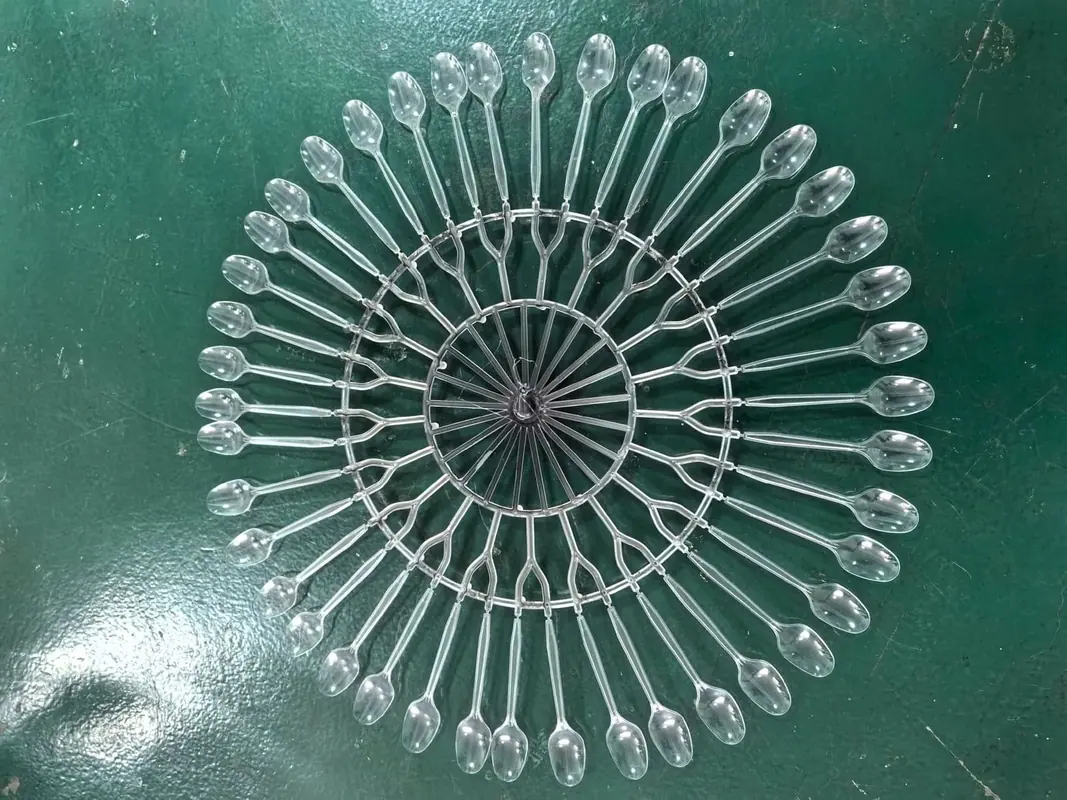
Our spoon injection mold project includes sample photos and manufacturer-confirmed completion of mold trials, customer acceptance and shipment. It shows a specific project; it does not establish a cycle time, steel grade or acceptance method for another cutlery mold.
Use it to start a discussion about a similar product, then define the requirements for your own mold.
Compare the quotation scope
Request proposed cavities, runner concept, steel by component, machine assumptions, included trials, samples, reports, corrections and spares. Confirm export packing and the named delivery basis separately. Use our mold quote comparison guide to record which items are included, optional or still open.
A short brief you can copy
Product: container / cup / lid / cutlery / other
Photo, sample or drawing available:
Approximate dimensions:
Material, if known:
Matching part or stacking requirement:
Expected quantity, if known:
Receiving machine, if known:
Questions you want us to review:
Leave undecided fields marked as open. Send your brief for a packaging mold quotation discussion.
Basis of this guide
This is a buyer communication checklist, not a universal tool specification or promise of production performance. Product-specific requirements, machine compatibility and acceptance methods need agreement before manufacturing. The linked spoon case supplies the confirmed project facts; the lid example above is illustrative.
Next step
Turn this article into an RFQ review.
Send files or a project brief, material, annual volume, or target timing notes. Jessica and the engineering team will review manufacturability risk and reply with initial engineering feedback or quotation planning. First human reply targeted within 24 hours.