
Thin-Wall Packaging
Packaging Mold Manufacturing
Thin-wall packaging mold manufacturer for food containers, IMl yogurt cups, takeaway lids and PP tubs with fast cycle and stackable part design support.
Overview
Production-ready tooling support for packaging programs
Packaging programs move fast, so the mold has to support both commercial timing and cycle-time efficiency. JF MOULD builds thin wall container mold factory solutions for cups, lids, tubs, trays and cutlery where cavity balance, cooling speed and stackability affect landed cost.
Whether the brief is an IML packaging mold, a PP box mold or a food container mold manufacturer search, our first pass is always production practicality. We review wall thickness, label area, nesting behavior and ejection so sampling reflects the real packaging line instead of an idealized CAD model.
Capabilities
What we focus on for packaging mold builds
Thin-wall cycle optimization
We design runner, cooling and venting layouts for thin wall container mold factory projects where every second of cycle time matters to container unit economics.
IML and visual-surface planning
For IML packaging mold jobs, we help reserve label area, reduce sink near graphics zones and keep container geometry suitable for in-mold labeling and downstream packing.
High-volume cavity strategies
From PP box mold programs to bucket mold supplier requests, we review cavity count and maintenance access so the mold supports sustained high-output runs with manageable service intervals.
Case Studies
Recent packaging tooling examples
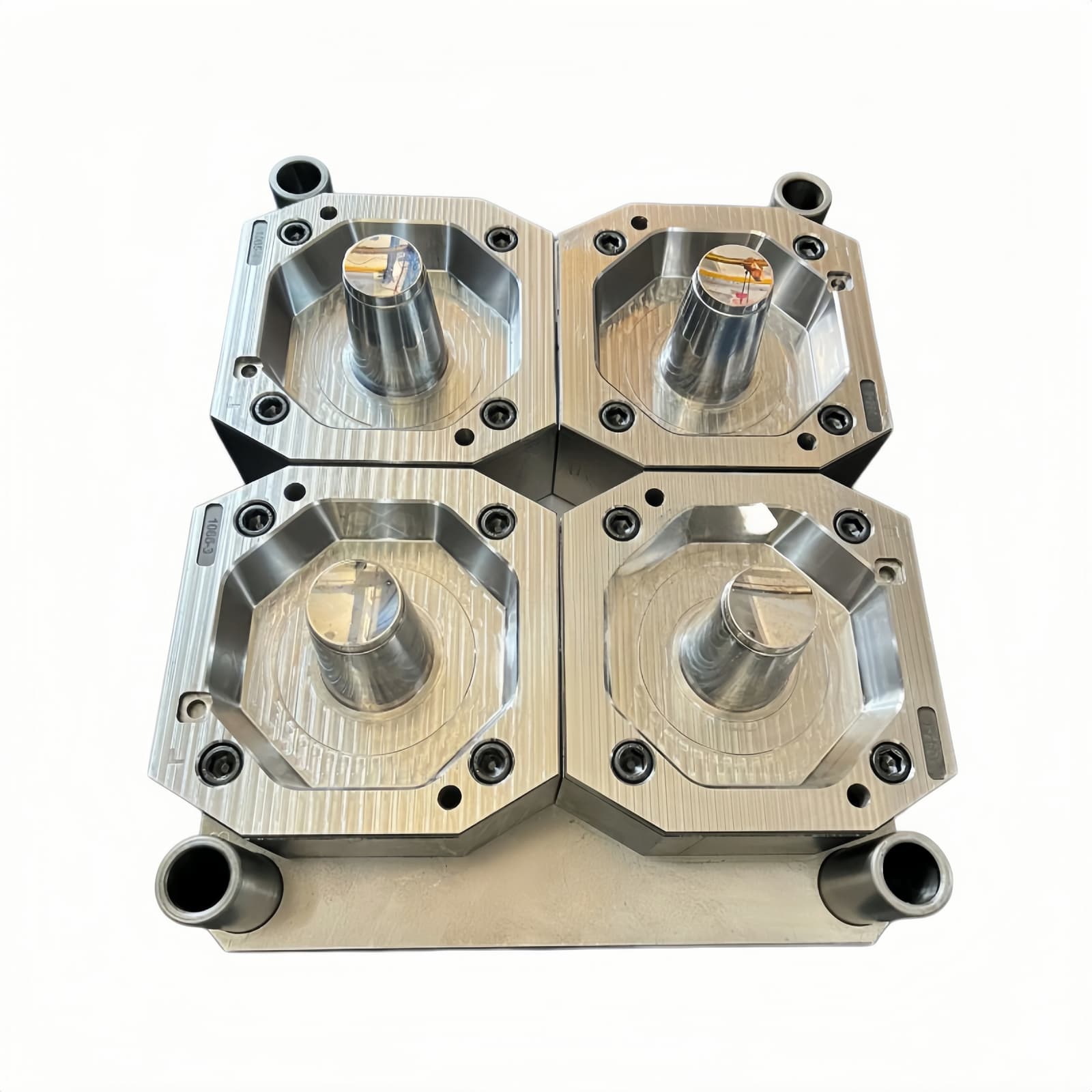
Packaging Packaging IML Yogurt Cup Mold
Thin-wall IML yogurt cup mold built for fast cycle time, label stability and consistent stacking.
- Challenge
- The customer needed a very short cycle on a thin-wall cup while keeping label placement stable and minimizing cup deformation.
- Result
- The production line reached repeatable stacking performance and hit the target cycle for yogurt cup output.
 Packaging
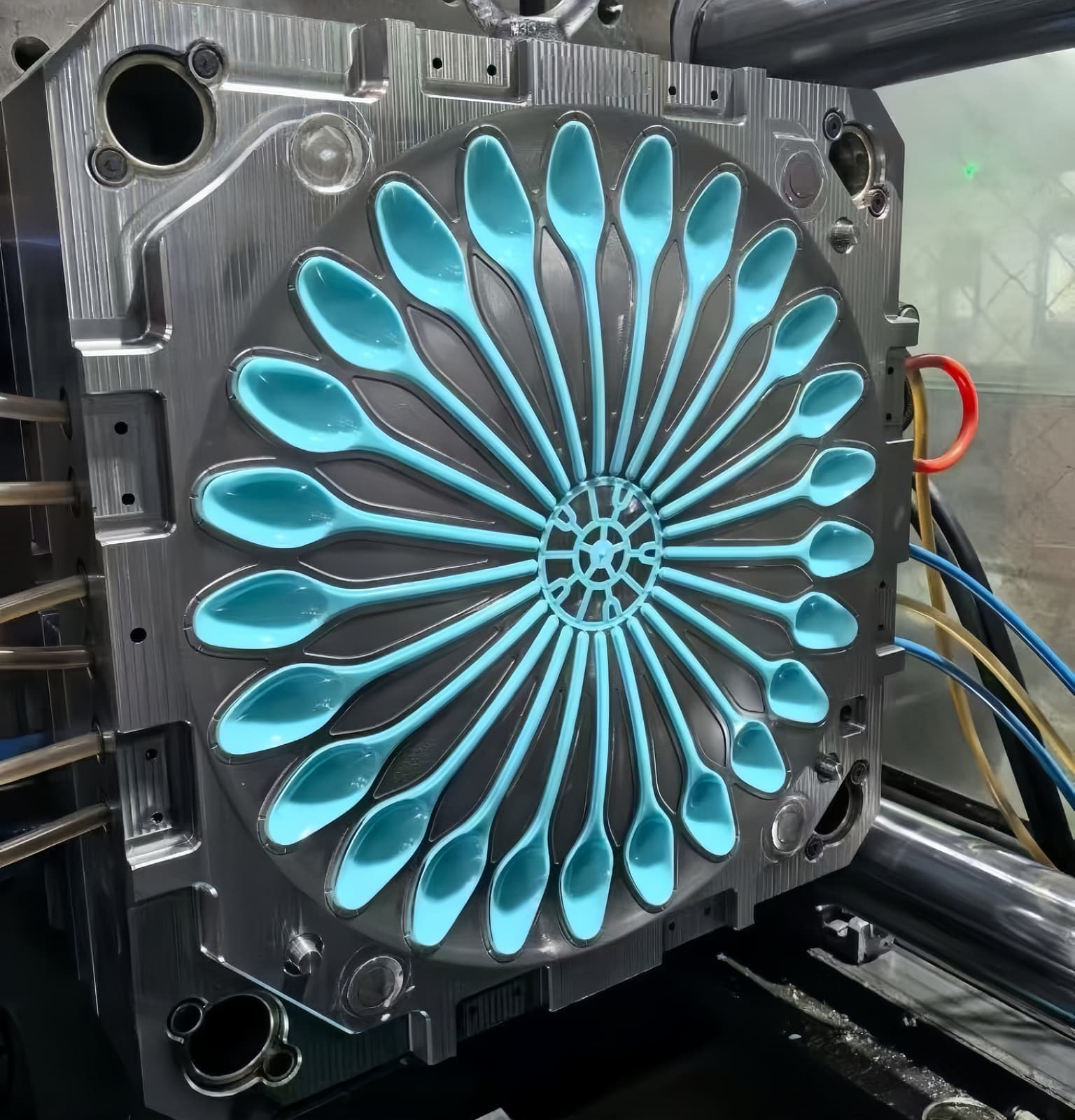
 Packaging Cutlery Spoon Mold
High-cavity disposable spoon mold tuned for fast filling, crisp shutoff and stable startup quality.
- Challenge
- The spoon had to run at high speed with consistent fill in many cavities while avoiding flash on the thin handle edge.
- Result
- The line achieved stable short cycles with acceptable stiffness and low reject rates during startup.
Packaging Packaging Takeaway Container Lid Mold
Thin-wall takeaway container lid mold designed for lid flatness, stackability and repeatable snap-fit.
- Challenge
- A large thin-wall lid needed flatness, stackability and reliable snap-fit performance without whitening around the seal ring.
- Result
- The customer achieved a repeatable snap-fit with smooth de-nesting and reduced startup scrap.
FAQ
Questions buyers usually ask before starting packaging tooling
What is your focus on thin wall container mold factory projects?
We focus on short cycle, cavity balance, clean ejection and stable stacking performance. Thin wall container mold factory work only pays off when molded parts release cleanly and run efficiently in the customer line, not just in a single trial shot.
Can you build an IML packaging mold for food container programs?
Yes. We can review label window constraints, draft angle, anti-scratch surfaces and container nesting behavior for IML packaging mold development. Those checks help reduce rework when the label process and mold process must stay tightly aligned.
How do you manage cycle time for a PP box mold or takeaway lid mold?
We look at wall distribution, cooling path efficiency, gate type and venting. For a PP box mold or takeaway lid project, those factors usually drive fill quality and release speed more than cosmetic changes to the tool layout.
Do you only handle cups and tubs, or also bucket mold supplier inquiries?
We cover cups, tubs, trays, lids, cutlery and bucket-type packaging parts. The tooling strategy changes with part size and output target, but the same food container mold manufacturer mindset applies: production speed, dimensional stability and easy maintenance.
How are packaging case studies selected on this page?
The featured cards use existing case data and follow a consistent rule: featured projects first, then the newest packaging examples by completion date. That keeps the page fresh while still highlighting the most commercial thin-wall packaging work.