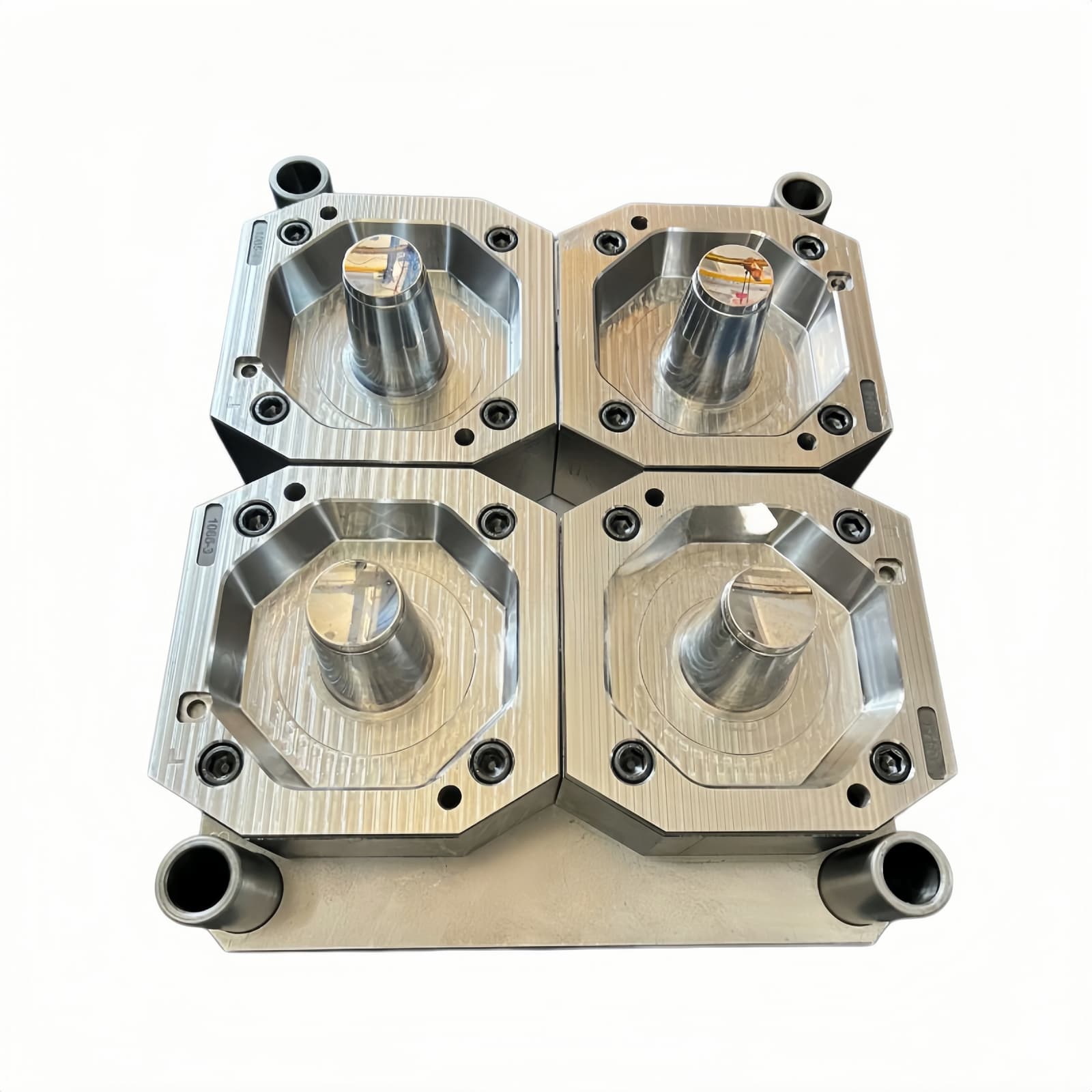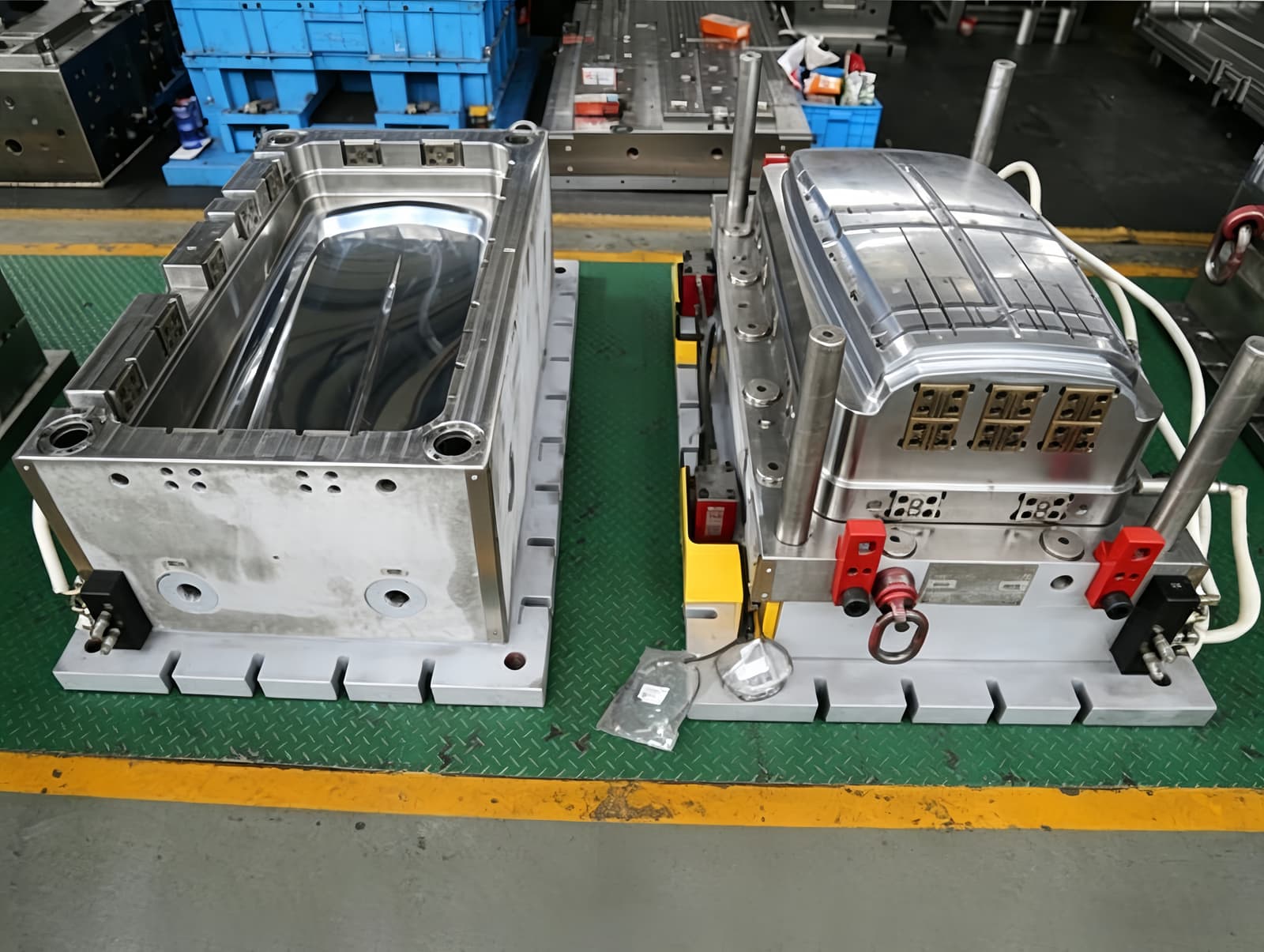
Automotive clips and brackets often look simple in CAD, but many programs fail because the draft strategy is checked too late. Textures, shut-off faces and retaining hooks all change how much draft the mold really needs.
We usually review the part in three layers. First, confirm the functional surfaces that cannot move. Second, map all undercuts and decide whether lifters or sliders are justified. Third, compare texture depth with resin shrinkage so the cosmetic face still releases cleanly after production wear starts.
When customers send the drawing before final part approval, we can flag draft risk in the DFM report and recommend small geometry changes that protect both tooling cost and launch timing.